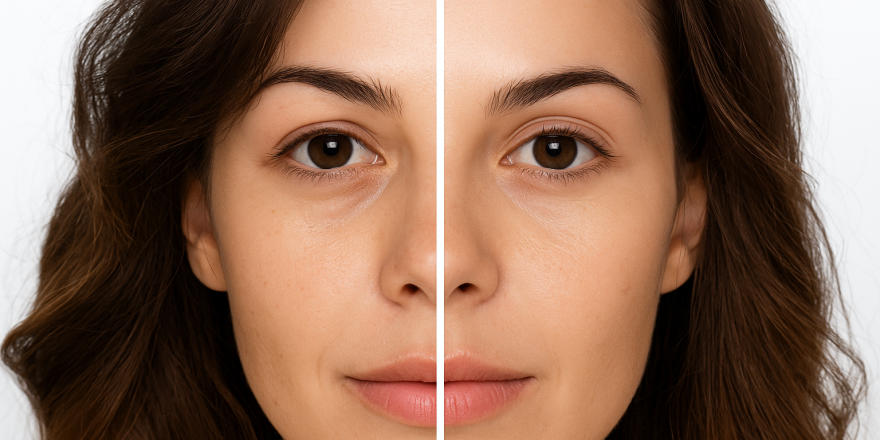
Which Is More Effective: SVF or Mesotherapy? Differences Between Fat-Derived Stem Cells (SVF) and Mesotherapy, Their Level of Effect, and Which Skin Types They Are Suitable For
SVF (Stromal Vascular Fraction) uses a cell-rich fraction from the patient’s own fat tissue and supports deeper tissue renewal and stronger skin quality improvement. Mesotherapy uses ingredients such as hyaluronic acid, amino acids, vitamins, antioxidants, and peptides and supports hydration, glow, and surface-level skin quality. The real question is not “Which one is better?” The better question is which option matches your skin’s actual needs.
Fat-derived stem cells now attract more attention in patient searches and in regenerative aesthetic medicine. Many people search for SVF stem cells, facial rejuvenation, skin renewal, and mesotherapy differences at the same time. Patients no longer look only for short-term glow. They now look for a more biological, more personalized, and more regenerative approach.
Still, you should separate these two treatments clearly. SVF stem cell therapy and mesotherapy may both improve skin quality, but they do not act at the same biological depth. For that reason, physicians should build the treatment plan around skin structure, clinical needs, and patient goals rather than around trends.
Why Do People Compare SVF Stem Cells and Mesotherapy?
Skin aging develops through several mechanisms. Over time, collagen levels drop, elasticity weakens, hydration decreases, and tissue quality declines. In addition, sun damage, smoking, stress, poor sleep, and environmental exposure can speed up this process. As a result, both fat-derived stem cell approaches and mesotherapy / skin booster / youth injection protocols attract the same patient group.
However, these treatments work in different ways. Mesotherapy mainly gives the skin ingredient-based support. By contrast, the SVF stem cell approach uses the biological potential from the patient’s own tissue and supports tissue repair and skin quality at a deeper regenerative level.
What Is Fat-Derived Stem Cell Therapy (SVF)?
SVF, short for Stromal Vascular Fraction, is a cell-rich fraction that physicians obtain from the patient’s own fat tissue. In patient-friendly language, many people call this treatment fat-derived stem cell therapy. They use that term because fat tissue contains mesenchymal stem cell–related components and many supportive regenerative cells.
- Mesenchymal stem cell–related cellular components
- Progenitor cells
- Vascular support cells
- Biological components linked to growth factors
- A cellular environment that supports tissue renewal
For this reason, SVF stem cell treatment does more than add ingredients to the skin. It supports the skin’s own renewal capacity in a more biological way and gives physicians a more regenerative treatment option.
How Do Doctors Perform SVF Stem Cell Therapy?
Fat-derived stem cell treatment always requires individual planning. Details may change according to the protocol and the system, but the core structure stays similar:
1. Small-volume fat harvesting
The physician usually takes a limited amount of fat tissue from an accessible area such as the abdomen under local anesthesia. This step does not follow the logic of major surgery. Instead, the physician performs a controlled and small-volume tissue harvest.
2. Preparation in a closed and sterile system
The physician processes the harvested fat tissue in a closed system. This step helps produce a fraction rich in cellular and supportive regenerative components. The exact method may vary, but the main goal stays the same: preserving biological elements that may support tissue quality.
3. Photoactivation support
Some protocols use photoactivation to support cellular activity. This stage aims to support cell vitality and regenerative potential.
4. Application to the target area
The physician then applies the prepared cellular fraction to the face, acne scar areas, or other regions with reduced tissue quality by using proper injection techniques. In this way, the physician may use SVF for facial rejuvenation as part of a broader regenerative skin quality plan.
When Can SVF Stem Cell Therapy Be Considered?
SVF stem cells do not serve the same purpose in every patient. However, after a proper medical evaluation, physicians may consider this option in the following situations:
- Noticeable loss of skin quality and elasticity
- Dull and tired-looking skin
- A need for tissue support in certain acne scars or scar types
- Signs of photoaging and sun damage
- A preference for a more biological, personalized, and autologous approach
The goal here is not to promise perfection with a single procedure. The real goal is to support tissue repair, strengthen skin quality, and create a gradual improvement in overall appearance over time.
What Is Mesotherapy?
Mesotherapy is a supportive treatment that uses microinjections placed into the skin. These formulations may include hyaluronic acid, amino acids, vitamins, antioxidants, peptides, or other ingredient combinations. In everyday clinical language, many treatments known as skin boosters, youth injections, or Paris glow treatments fall into this category.
For that reason, mesotherapy mainly supports hydration, brightness, and surface-level skin quality. Physicians usually plan it as a treatment series, and many patients prefer it when they want a more practical approach.
What Can Mesotherapy, Skin Boosters, and Youth Injections Do?
- Support skin hydration
- Help the skin look brighter and fresher
- Soften the appearance of fine lines
- Support a more even-looking skin tone
- Provide targeted support for areas such as the eye area, neck, and décolletage
However, mesotherapy does not contain living cells. Therefore, it plays a different biological role than SVF stem cell therapy. In simple terms, mesotherapy gives ingredient-based support, while SVF provides a more regeneration-oriented framework.
Main Differences Between SVF Stem Cells and Mesotherapy
SVF (Fat-Derived Stem Cells)
- Uses the patient’s own tissue, so it follows an autologous approach
- Works through a cell-based and regeneration-oriented logic
- Aims to support tissue renewal at a deeper level
- Often fits less frequent or single-session planning
- Includes a minimally invasive fat-harvesting step
Mesotherapy / Skin Boosters
- Provides ingredient-based skin support
- Focuses on hydration, radiance, and surface quality
- Usually requires a treatment series
- Offers a more practical and quicker procedure path
- May suit patients who want a faster return to daily life
Which One Works at a Deeper Level?
You should not answer this question with one sentence. The meaning of “stronger” changes according to the treatment goal. If the aim is brighter, more hydrated, and fresher-looking skin, mesotherapy may offer real value. In contrast, if the goal is to support skin quality more fundamentally, enhance regenerative potential, and address tissue quality loss from a more biological angle, SVF stem cell therapy may be the better option.
That is why the better clinical question is this: “What does my skin actually need?” When physicians choose the right indication, both approaches can provide value.
SVF or Mesotherapy: Which Option May Suit Which Patient Better?
SVF stem cell therapy may suit:
- Patients who want to support skin quality at a deeper biological level
- People who seek regenerative support for acne scars or tissue irregularities
- Patients who prefer an autologous, tissue-based approach
- People who want longer-term support for tissue quality
Mesotherapy may suit:
- Patients who want brighter, more hydrated, and more refreshed-looking skin
- People with busy lifestyles who prefer a practical treatment plan
- Patients who feel comfortable with session-based maintenance protocols
- People who seek support for areas such as the eye contour, neck, or décolletage
Can SVF Stem Cells and Mesotherapy Be Combined?
Yes. Physicians can combine these two approaches in selected patients. In some cases, SVF stem cell therapy creates the main regenerative backbone, while mesotherapy or skin booster protocols support hydration balance, glow, and surface-level quality.
For example, if the skin shows both structural quality loss and dehydration, the physician may build a combined plan after evaluation. Correct timing, correct sequencing, and correct indication matter most here.
Is SVF Stem Cell Therapy Enough for Acne Scars and Scars?
Acne scar and scar treatment rarely depends on only one procedure. Scar type, depth, duration, and skin structure all influence the result. SVF stem cells may support tissue repair in these cases and may play an important role. However, some patients may benefit more when the physician combines SVF with fractional laser, microneedling, or other supportive treatments.
In other words, the goal is not to erase scars overnight. The goal is to improve tissue quality and visible appearance in a meaningful and realistic way.
Conclusion: Choose the Right Option by Need, Not by Trend
Fat-derived stem cells (SVF) and mesotherapy often appear in the same conversation, but they target different biological layers. SVF aims to provide a more regenerative and deeper biological support. Mesotherapy mainly supports hydration, glow, and surface-level skin quality. For that reason, it makes more sense to understand which treatment fits which need than to treat them as direct rivals.
In summary, SVF stem cell therapy may be a strong option for patients who want to support skin quality more fundamentally. Mesotherapy may stand out for patients who want a practical, session-based, and more surface-oriented support plan. A physician should always determine the most accurate plan through an individualized evaluation.
If you would like to learn more about SVF stem cell treatment, you can read our main guide by clicking here.
The results of any surgical or interventional procedure may vary from person to person. It is recommended that you consult your physician for a detailed evaluation before the procedure.
Frequently Asked Questions
Are SVF stem cells and mesotherapy the same thing?
No. Mesotherapy is an ingredient-based supportive treatment. SVF uses a cell-rich fraction from the patient’s own fat tissue and offers a more regenerative approach.
Is fat-derived stem cell treatment a single-session procedure?
Planning varies from patient to patient. However, physicians often consider SVF stem cell treatments in less frequent or single-session protocols when they compare them with mesotherapy.
Can SVF stem cells be used for facial rejuvenation?
Yes, physicians may consider SVF in facial rejuvenation plans when the goal is to support skin quality and tissue renewal. A medical evaluation should always guide the final decision.
Does mesotherapy create faster visible improvement?
Mesotherapy may support quicker visible changes in hydration, radiance, and refreshed appearance. SVF usually follows a more biological and gradual regenerative process.
Can SVF stem cells and mesotherapy be combined?
Yes. Physicians can combine them in selected patients. However, the physician should plan timing, sequence, and treatment content carefully.