Why Does Eyelid Drooping Happen? Differences Between Blepharoplasty, Ptosis, and Brow Descent
Eyelid drooping does not always come from the same cause. In some patients, excess upper eyelid skin creates the heavy look. In others, ptosis or brow descent plays a bigger role. Therefore, a careful evaluation helps identify the main reason and supports a more accurate treatment plan.
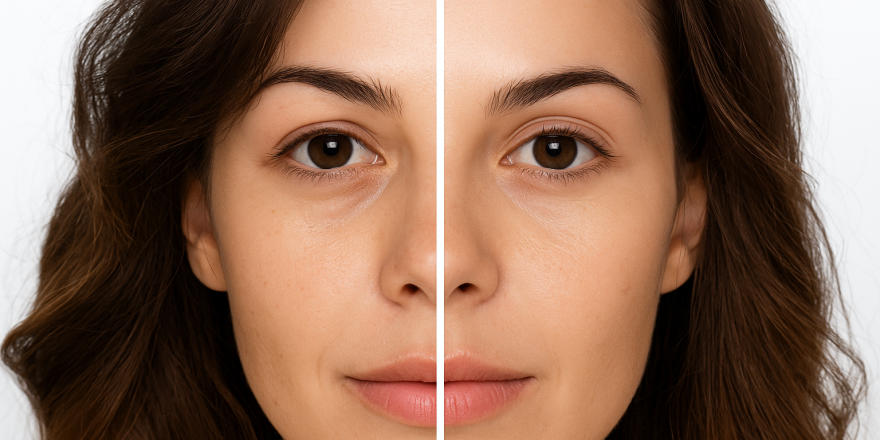
The eye area strongly shapes facial expression. For that reason, upper eyelid heaviness can make a person look tired, sleepy, or older than they feel. However, not every droopy eyelid looks the same for the same reason. Excess skin, ptosis, and brow descent may all create a similar appearance. Even so, each condition affects the eyelid area in a different way.
That difference matters. First, it helps patients understand what they are actually seeing in the mirror. Second, it helps the surgeon evaluate the eye area more precisely. As a result, the treatment plan can match the anatomy instead of relying on assumptions.
Why Eyelid Drooping Is Not a Single Condition
Many patients describe the problem with one phrase: “my eyelids are drooping.” Still, the source of that look may vary from person to person. The upper eyelid skin, brow position, forehead support, temple balance, and eyelid-opening mechanism all influence the final appearance. Because these structures work together, a change in one area can affect the entire eye region.
For example, one patient may have clear skin redundancy. Another patient may have a low eyelid position because the lifting mechanism works less effectively. In some cases, the brow sits lower and pushes more tissue toward the upper eyelid. Therefore, doctors usually evaluate the whole upper eye area rather than focusing on skin alone.
What Is Blepharoplasty?
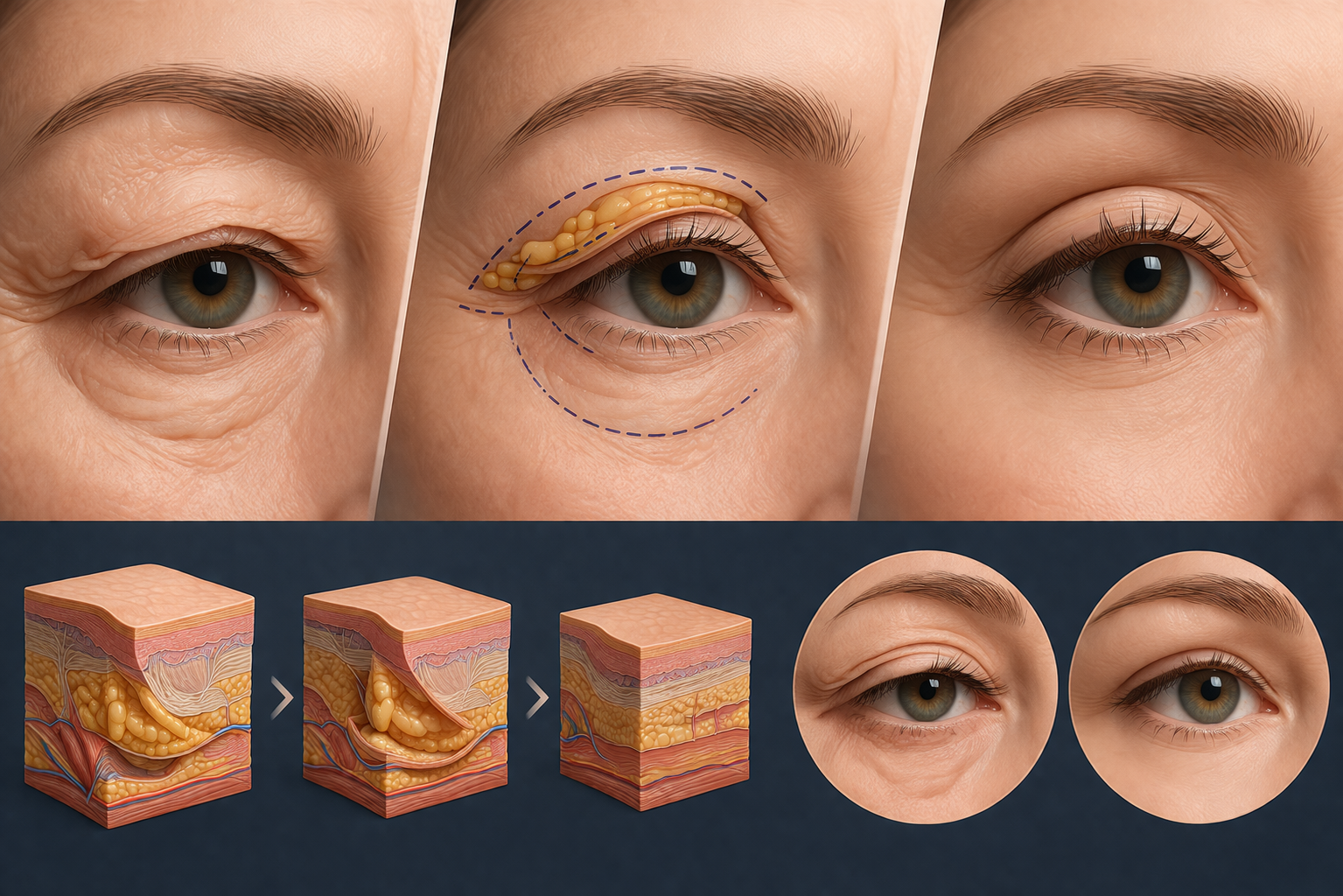
Blepharoplasty is eyelid surgery that addresses excess skin, tissue laxity, and in selected cases fullness around the eyelids. Surgeons often consider upper blepharoplasty when loose skin creates a hooded appearance over the lash line. The goal is not simply to remove tissue. Instead, the aim is to create a fresher and more open look while preserving natural facial expression.
- Visible excess skin on the upper eyelid
- A hooded appearance over the lash line
- Difficulty applying eye makeup
- A tired or sleepy look around the eyes
- A feeling of heaviness in the upper visual field in some patients
In these cases, excess skin often drives the appearance. In other words, the main issue usually comes from tissue over the eyelid rather than from the eyelid-opening muscle itself.
What Is Ptosis?
Ptosis refers to a lower-than-normal upper eyelid position caused by weakness or dysfunction in the muscle or tendon structure that lifts the eyelid. At first glance, ptosis may look similar to skin redundancy. However, the mechanism differs. Because of that difference, blepharoplasty alone may not solve the main problem in every patient.
- One upper eyelid sits lower than the other
- The eye opening appears narrower
- The patient frequently raises the eyebrows to compensate
- Asymmetry appears in the gaze
- The droopy look seems greater than excess skin alone would explain
This distinction is important. A low eyelid position and excess eyelid skin are not the same condition. Therefore, the evaluation should include eyelid function as well as skin quality.
How Brow Descent Can Affect the Upper Eyelid
Brow descent can also create or increase the appearance of eyelid drooping. When the brow moves lower, more soft tissue can rest on the upper lid. Consequently, patients may think the problem comes only from the eyelid itself. In reality, brow position may influence the look just as much as the eyelid skin does.
This effect often becomes more visible near the outer brow tail. That area can make the eyes look tired, heavy, or even sad. For that reason, surgeons usually assess the brow, temple, and upper eyelid together instead of reviewing each part in isolation.
Key Differences Between Blepharoplasty, Ptosis, and Brow Descent
A simple comparison can make these conditions easier to understand. Although a physical examination gives the final answer, the overall distinction usually looks like this:
- Blepharoplasty: most often relates to excess skin, soft tissue laxity, and fullness.
- Ptosis: involves the mechanism that lifts the upper eyelid.
- Brow descent: involves the brow moving lower and increasing upper eyelid heaviness.
At the same time, these problems do not always appear separately. Some patients show more than one issue. Therefore, surgeons plan treatment after a full facial assessment rather than after a single-label description.
Why Accurate Evaluation Matters
Eyelid surgery should not focus only on removing tissue. Instead, the plan should support facial balance and preserve natural expression. If the main issue comes from ptosis or brow descent, but the plan only targets skin, the result may not fully match the patient’s expectations.
Because of that, a careful examination usually includes several elements:
- Upper eyelid skin excess
- Eyelid height and eyelid opening
- Natural brow position
- Temple and lateral eye balance
- Overall facial proportions and expression
Once the surgeon identifies the dominant factor, the treatment plan becomes clearer and more tailored.
Does Every Droopy Eyelid Require the Same Approach?
No. Every patient needs an individualized evaluation. In some cases, excess skin stands out and upper blepharoplasty becomes the main topic. In other cases, the eyelid-lifting function needs closer attention. Some patients also show brow descent that strongly shapes the overall appearance. Therefore, the same complaint can lead to different treatment strategies.
For that reason, the phrase “my eyelid is drooping” should start the conversation, not finish it. First, the surgeon identifies the source of the appearance. Then the treatment plan follows that analysis.
Why This Information Helps Patients Considering Eyelid Surgery
Most patients can describe what they see, but they may not know why they see it. That is completely normal. Still, when patients understand that eyelid drooping may come from different causes, they can approach consultation with clearer expectations. In addition, they understand why the surgeon evaluates more than just the eyelid crease or the amount of visible skin.
In short, eyelid drooping can reflect excess skin, ptosis, brow descent, or a combination of these factors. Therefore, informed evaluation supports better communication and a more precise treatment plan.
If you would like to learn more about whether eyelid laxity can return over time after surgery, you can review our related article here: Will Eyelid Sagging Return After Surgery?.
If you would like to read about scar visibility after upper eyelid surgery, you can also visit this page: Upper Eyelid Surgery.
Conclusion
Eyelid drooping does not always come from the same source. In some patients, excess upper eyelid skin plays the biggest role. In others, ptosis or brow descent affects the appearance more strongly. Therefore, the most important step is an accurate evaluation of the eye area.
Ultimately, understanding the differences between blepharoplasty, ptosis, and brow descent supports better patient education and helps create a more complete approach to eyelid concerns.
Frequently Asked Questions
Does eyelid drooping always come from excess skin?
No. Excess skin is one possible cause. However, ptosis or brow descent can create a similar appearance in some patients.
Are blepharoplasty and ptosis the same thing?
No. Blepharoplasty usually addresses excess skin and tissue laxity. Ptosis involves the mechanism that lifts the upper eyelid.
Can brow descent make the upper eyelid look heavier?
Yes. A lower brow position can place more tissue over the upper eyelid and increase the appearance of heaviness.
Does every patient need the same type of treatment?
No. The surgeon should tailor the plan to the patient’s anatomy, findings, and goals.
The results of any surgical or interventional procedure may vary from person to person. A detailed consultation with your doctor is recommended before any procedure.