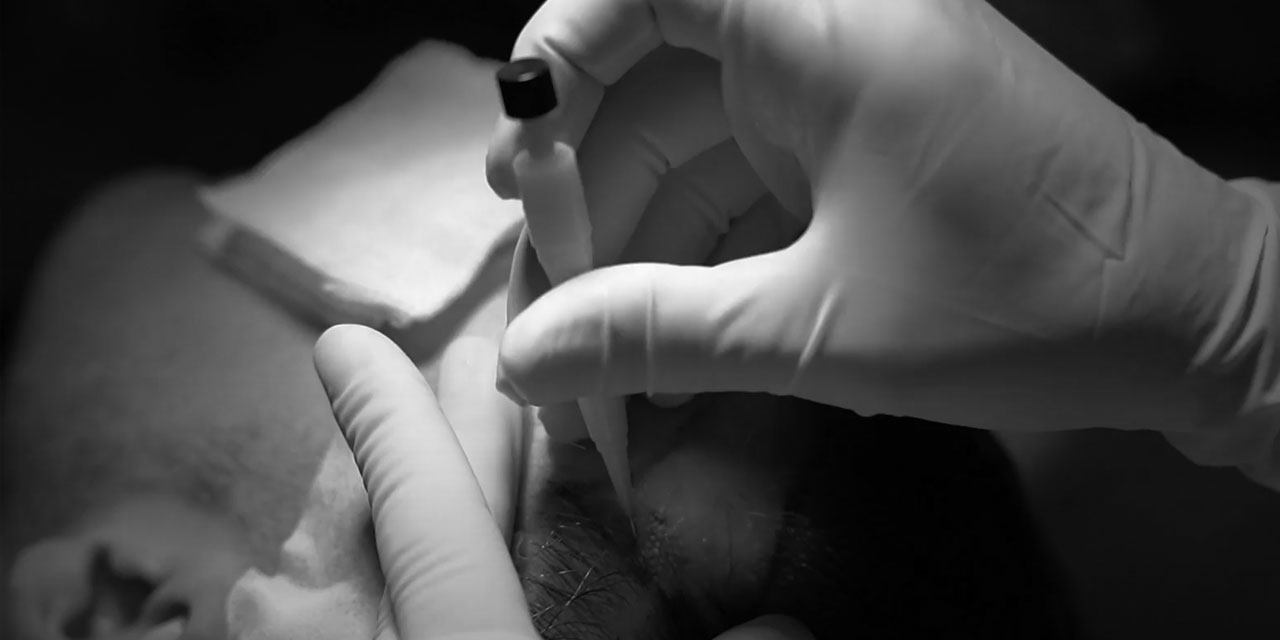
Direct Hair Implantation (DHI), also known as Choi Pen Hair Transplant, is an advanced and minimally invasive hair restoration technique used to treat hair loss or baldness. It is a method that improves upon traditional hair transplantation procedures like Follicular Unit Transplantation (FUT) and Follicular Unit Extraction (FUE). Here are some key details about DHI hair transplant:
1. Technique: In DHI, hair follicles are extracted from the donor area (typically the back and sides of the head, where hair is genetically resistant to balding) and implanted directly into the recipient area without the need for creating recipient site incisions in advance.
2. Choi Pen: The “Choi Pen” refers to the specialized instrument used in DHI. It is a pen-like tool that has a fine, hollow needle at the tip, allowing for the precise implantation of hair follicles. The Choi Pen technique minimizes handling of grafts, reducing the risk of damage and ensuring a more controlled and accurate placement.
3. Minimally Invasive: DHI is a minimally invasive procedure, as it doesn’t require the creation of incisions or recipient sites in advance. This results in a faster healing process, less scarring, and reduced post-operative discomfort.
4. Precision and Natural Results: DHI’s precision in implanting individual hair follicles allows for more natural and refined results. The hairline design can be customized to match the patient’s facial features, and the angle and direction of hair growth can be carefully controlled.
5. Reduced Transection: Transection refers to the damage that hair follicles may incur during the extraction and implantation process. The Choi Pen minimizes transection rates, leading to a higher survival and growth rate of transplanted hair.
6. Local Anesthesia: DHI is typically performed under local anesthesia, making the procedure relatively comfortable for patients.
7. Recovery: Patients can usually return to their normal activities within a few days after the DHI procedure. There may be some post-operative care and restrictions, such as avoiding strenuous activities and direct sunlight.
8. Suitable Candidates: DHI is suitable for individuals with male pattern baldness, female pattern baldness, or those who have lost hair due to injury, surgery, or other factors. Ideal candidates should have sufficient donor hair to transplant.
9. Consultation: Before undergoing a DHI procedure, a consultation with a qualified and experienced hair transplant surgeon is essential. During the consultation, the surgeon will assess your hair loss pattern, donor area, and discuss your goals.
10. Maintenance: While DHI can provide long-lasting results, it is important to understand that hair loss may continue to progress in untreated areas. Some individuals may need additional sessions or follow-up treatments to maintain their desired hair density.
DHI (Choi Pen) Hair Transplant is a modern and effective hair restoration technique that offers natural-looking results and minimizes the potential drawbacks associated with older hair transplant methods. The suitability of DHI and the expected outcomes can vary from person to person, so a personalized consultation with a specialist is crucial for determining the best approach to address your specific hair loss concerns.